




The way people buy for dogs and cats has shifted quietly over the past few years, and few pet stores have adjusted their messaging at the same pace. The product remains at the center of the sale, but the purchase decision now involves criteria that go well beyond price per kilo, things like ingredient origin, veterinary guidance, and that specific animal’s health history.
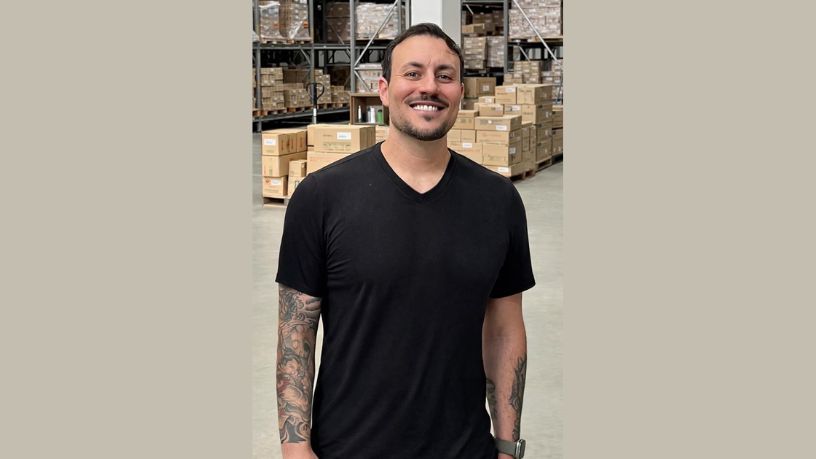
This shift shows up directly in the catalog, growing fastest inside Enjoy Pets, as Hugo Galvao de Franca Filho, founder and director of the company, observes: products tied to preventive health, functional nutrition, and animal comfort are categories that once held a secondary spot on the site and now account for a meaningful share of the store’s recurring sales.
Pet owners always buy the lowest price available
That idea still drives strategy at many pet stores, and it makes sense for basic replacement items like litter or simple treats. The problem lies in generalizing that behavior across the entire category, ignoring that a growing share of pet owners research composition, expiration date, and technical recommendations before deciding, even when that means paying more for an equivalent product sitting on the next shelf.
When comparing premium line products against cheaper equivalents over the same period, Hugo Galvao of Enjoy Pets, featured at www.enjoypets.com.br, noticed a pattern that runs against that logic: the more expensive item, when well-described with accessible technical information, converted just as well as the economy option. Hugo points to this data as evidence that low price no longer wins the fight for buyer attention on its own.
Technical description outweighs emotional appeal alone
Saying a product is made with care or dedication no longer converts on its own, because today’s pet owner looks for concrete information before deciding. Composition, guidance for the animal’s age or size, and a clear comparison between lines from the same manufacturer make a bigger difference to the final decision than any generic emotional pitch about loving pets.
The product description has become, in Hugo Galvao de Franca Filho’s assessment, one of the areas receiving the most attention inside Enjoy Pets’ operation. The reason is straightforward: a well-informed pet owner converts better and complains less after delivery, since the expectation set before the purchase matches what the product actually delivers in the pet’s day-to-day life.
Pet humanization is just a marketing narrative
Treating this shift as a communication strategy with no real consequence for the catalog underestimates how much buying behavior has actually changed. Categories like supplements, functional food for specific conditions, and wellness products have stopped being niche and now represent a meaningful share of revenue in operations that kept pace with this real shift in demand.
Whoever ignores this shift ends up competing only in lower-margin categories, fighting over the same price-sensitive customer while other stores capture the pet owner willing to pay more for information, quality, and real care for the animal’s health over time. Hugo Galvao sees this fight over the segment as one of the factors that most separates stagnant pet operations from ones that keep growing.
The catalog that keeps up with this behavior grows faster
Adapting catalog and product descriptions to this new decision pattern costs curation time, not heavy paid-media investment. The store that invests in explaining the reason behind each product, rather than just listing price and quantity, converts a type of customer willing to sustain that buying relationship for much longer.
For Hugo Galvao de Franca Filho, this kind of shift in communication tends to pay off more in the medium term than any one-off discount campaign, because it hits directly at the real reason behind today’s purchase decision. Whoever understands this behavioral shift is already ahead of whoever still sells food as if it were just another basic restock item in the cart.